Air Charters & Emergency
- Full and part charters arranged on demand
- Blocked boards & extra sections
- Over-size and heavy air pieces
- AOG and emergency response desk


Project Cargo & Charters · Air · Sea · Rail · Road
CSI Trans plans and executes project logistics end to end — route and site surveys, lifting and lashing engineering, on-demand aircraft charters and blocked boards, breakbulk and heavy-lift ocean, over-dimension road and rail moves, and factory-to-factory plant relocations — with a named project desk on watch through to positioning.
Project Execution Process
Every heavy, long or urgent piece follows the same disciplined sequence — measured, calculated, permitted and supervised.
Collect dimensions, weight and drawings, and inspect origin and destination site access, floors and lifting points.
Compare routes and modes, run lifting and lashing calculations, and issue a method statement with risk controls.
Arrange the aircraft charter or blocked board, geared vessel, special rail wagon or specialized trailer plan.
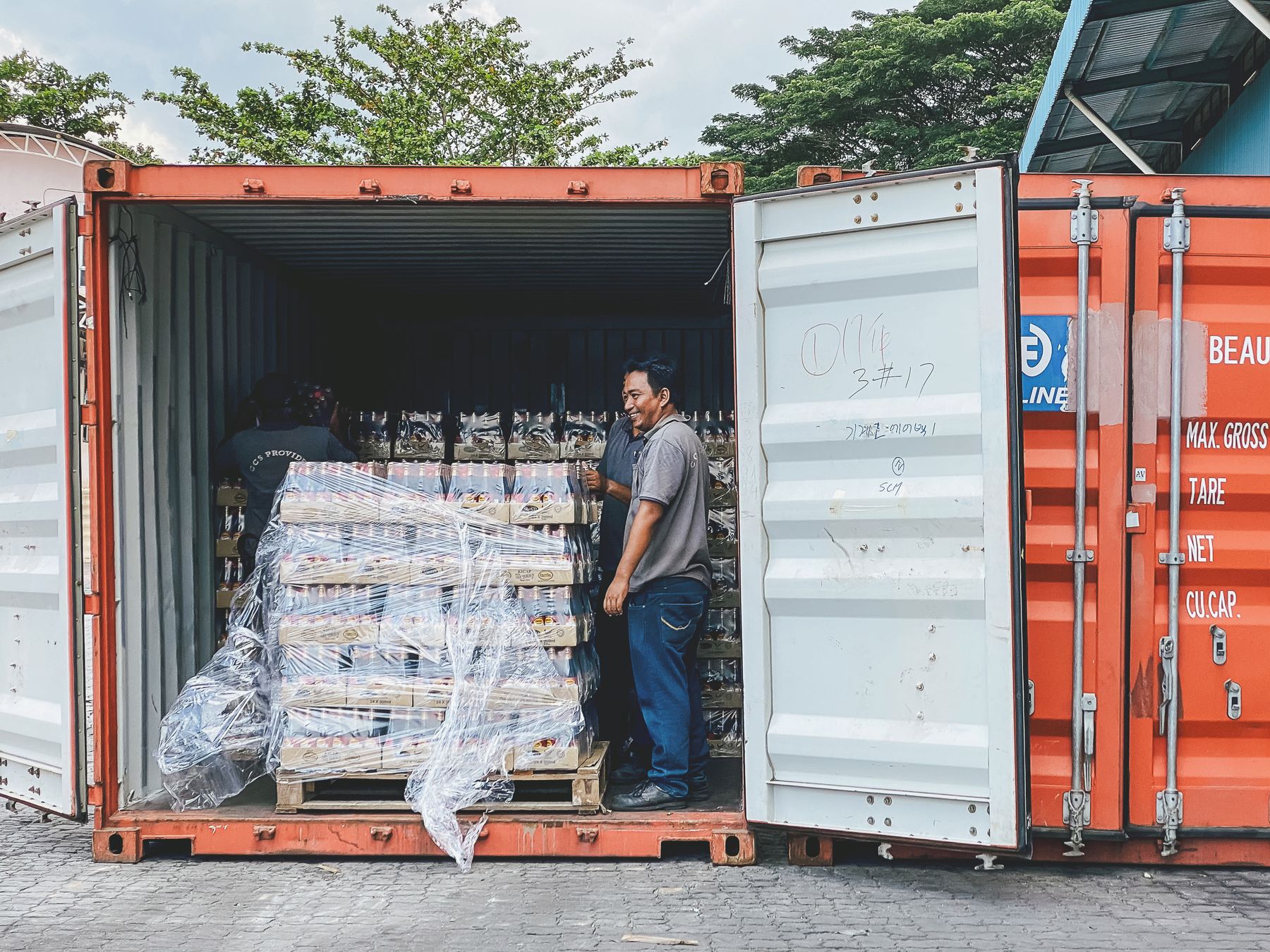
Case, crate and protect the cargo, then lash and chock it to the agreed securing plan.
Arrange over-dimension permits and export/import declarations, with DG paperwork where applicable.
Supervise weighing, loading and lifting, photo-record the stowage and sign off the securing check.
Track position and transhipments, supervise handovers and arrange escorts where the route requires.
Receive on site, coordinate the local crane and rigging team, position the unit and return signed POD.
Engineering & Packing
Road widths, bridges, height and weight restrictions, and site access checked before routing.
Weight distribution and securing forces calculated, with a written method statement issued.
Wooden cases, skids, vacuum and moisture protection for long ocean voyages and outdoor storage.
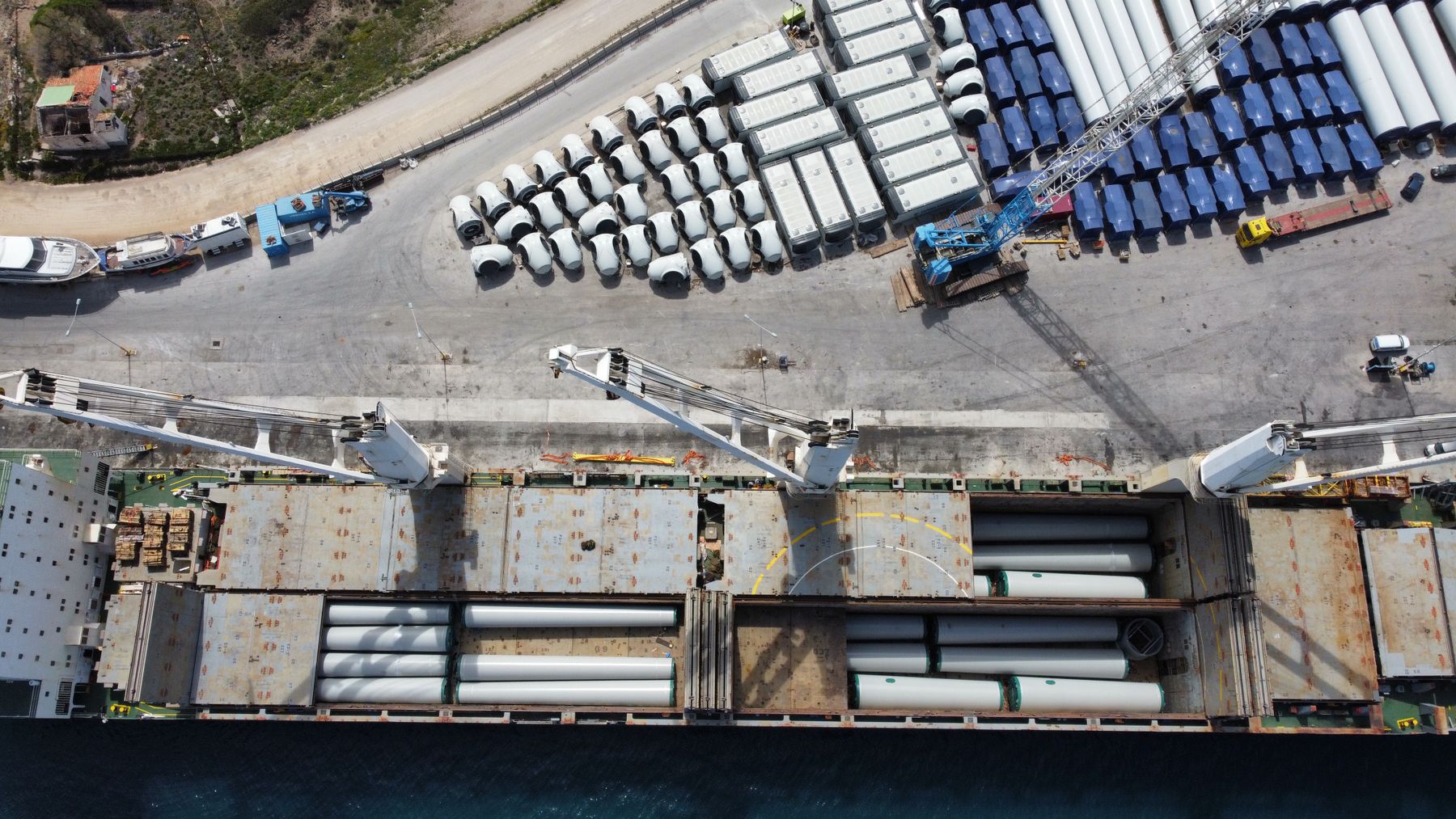
Flat-rack, open-top and platform stowage, plus tarpaulin protection for long, tall and wide pieces.
Dangerous goods and lithium batteries handled under IATA DGR and IMDG rules, subject to carrier and route confirmation.
Charter & Heavy-Lift Execution
Capabilities
The mode and equipment are chosen from the cargo drawing and the site — never the other way around.

How We Manage
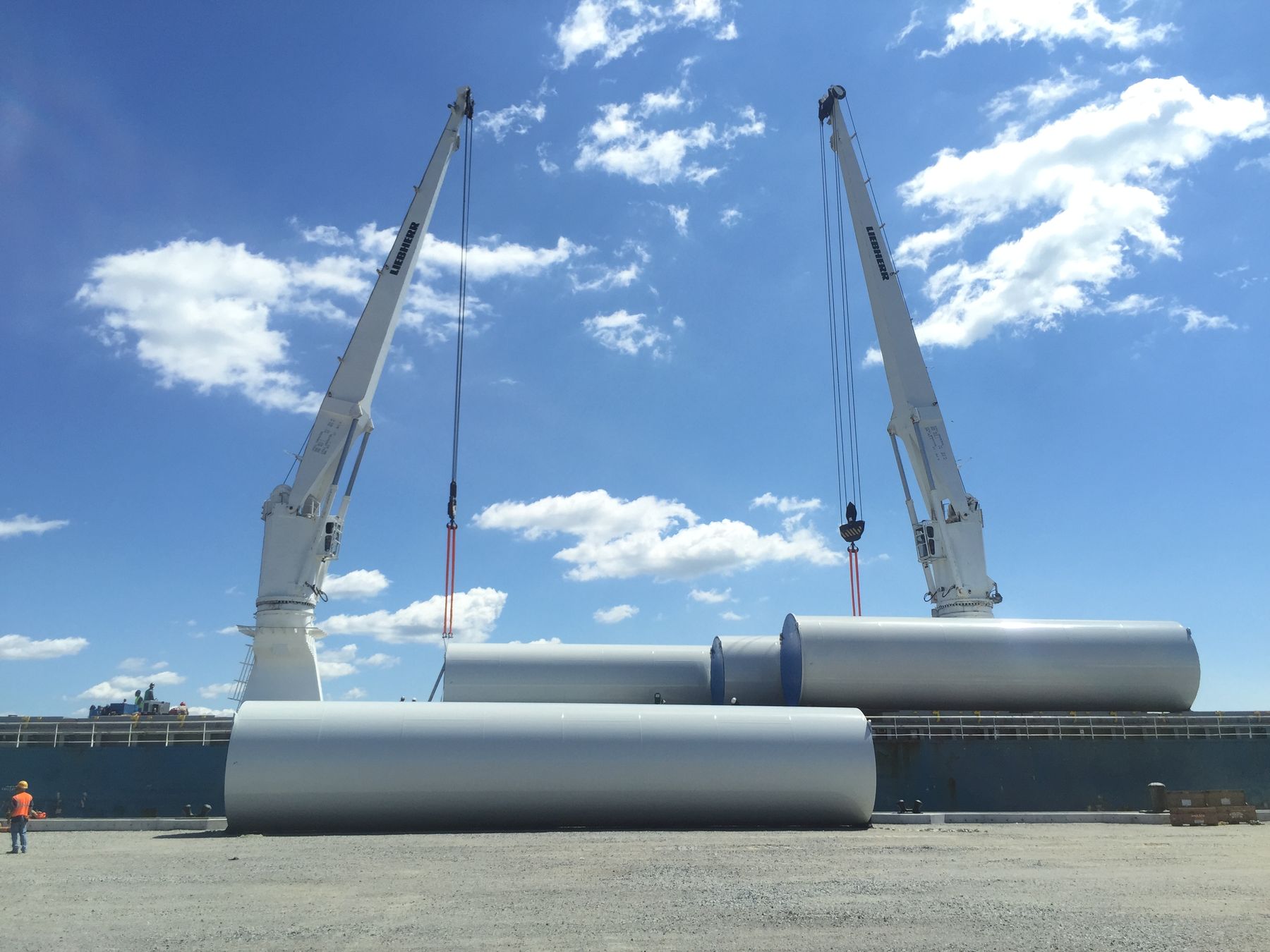
One project manager and one plan coordinate the airline, shipping line, stevedores, crane and trucking teams.
Written method statement, risk assessment and contingency plan agreed before execution begins.
Surveyors, crane and rigging crews and specialized hauliers booked against one critical-path schedule.
Photo and status reports at every milestone — issues are raised early, with options attached.
Cargo insurance placed per the Institute Cargo Clauses on request, matched to the project value.
The Standards We Work By
Project cargo crosses mode-specific regulators — the securing, permits and dangerous-goods paperwork are built around each leg before loading.
Aircraft charters and vessel space are arranged on demand with airlines and shipping lines — CSI does not own aircraft, vessels, cranes or trucks. Lifting, road haulage and terminal work are performed by qualified contractors; CSI acts as the booking forwarder and project logistics coordinator, responsible for the plan, bookings, documents and supervision. Dangerous-goods acceptance is subject to the airline, carrier and route rules and confirmed case by case.
The reference for lashing, choking and securing non-standard cargo on board vessels.
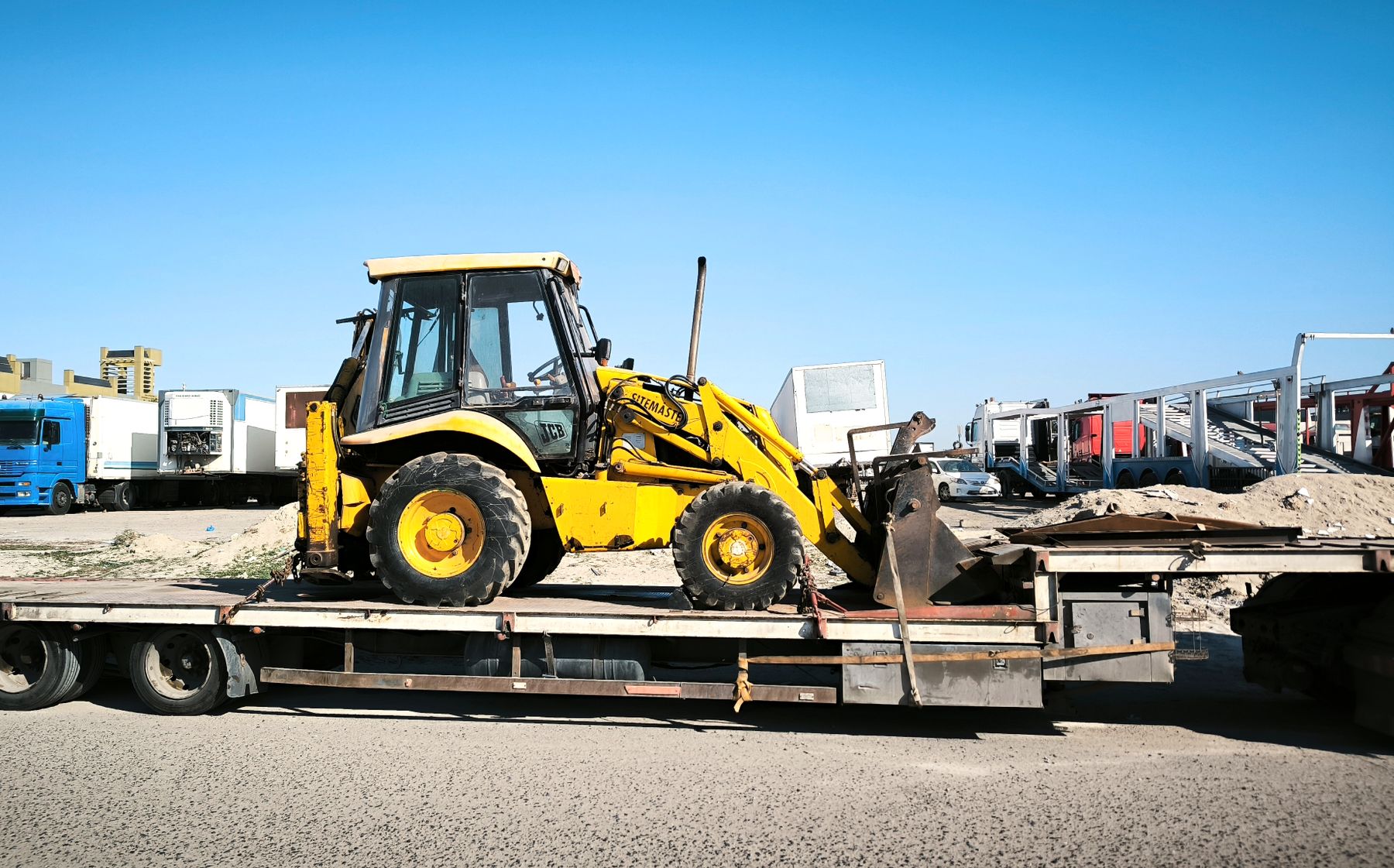
Route surveys and over-dimension transport permits arranged with the authorities before departure.
DG and lithium-battery shipments prepared under IATA DGR, subject to airline acceptance on the route.
Sea DG cargo declared, packed and stowed under the IMDG Code, with class and routing confirmed in advance.
Responsibility, risk and cost allocation — EXW to DDP — confirmed in writing before booking.
Cargo insurance arranged per Institute Cargo Clauses (A/B/C) on request, matched to declared value.
On Site
Send the cargo drawings, dimensions and weight, the two sites and your target date — a routing and execution plan comes back fast.